





 Analysis by Gamescozy
The appeal of Animals & Coins is easy to understand once you see its central rhythm: take an action on an island, watch the game respond, collect a reward, and leave with a reason to come back. I find it works best as a light adventure for short breaks, not as a demanding game that expects long, uninterrupted sessions. Its coin-focused progress is satisfying in small doses, though anyone looking for deep exploration or a complex story may find the experience too repetitive.
Starting with a raid, not a long tutorial
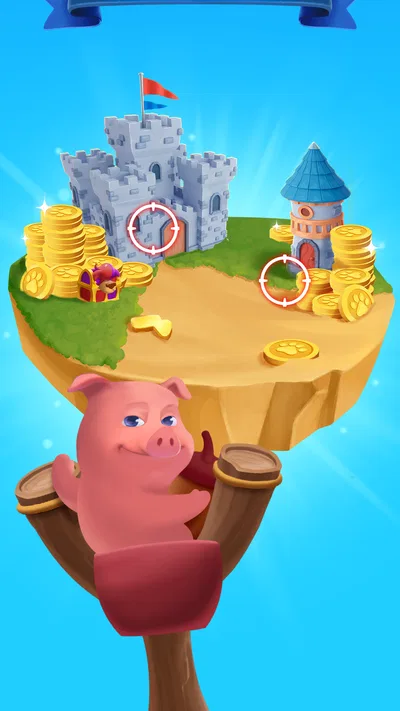
This is an adventure game from Innplay Labs, built around raiding treasure islands and building up coins. The first appeal is practical: there is an obvious goal, and the game’s theme makes that goal feel more playful than simply watching a number rise. You are not asked to learn a dense set of rules before getting started. The basic idea is to take an opportunity to make progress, see what happens, and use the result to keep moving.
That quick entry makes it a natural choice when I have a few spare minutes—waiting for someone, taking a short break, or winding down before bed. It is also the sort of game I can explain to a friend without a long setup: there are islands to raid and coins to gather. The simplicity is a strength, but it sets expectations. The pleasure comes from the repeated action-and-reward pattern, rather than from mastering a large collection of intricate mechanics.
The game’s animal theme gives the coin chase a softer, more approachable personality than many combat-heavy adventure games. That makes it an easy recommendation for players who want a cheerful, casual diversion. Its age rating is Everyone, which fits that accessible feel, although parents should still remember that the game offers optional in-app purchases. Free to download does not mean every purchase is free, and the listed purchase range runs from $0.99 to $299.99 per item.
Why the feedback rhythm matters
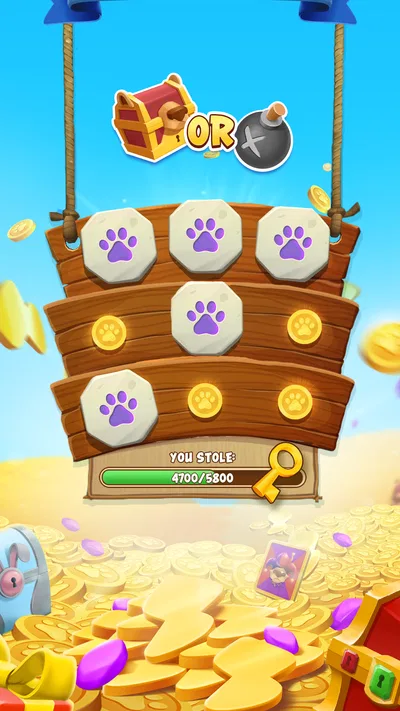
The most useful way to judge the loop is to notice how quickly each action pays off. A raid is not just a button press in isolation: its result gives you a little burst of progress and makes the next decision feel relevant. That immediate feedback is what keeps the game engaging during a short session. I would not call the loop profound, but it is legible, and legibility matters when a game is meant to be picked up casually.
There is a small but important trade-off here. A clear reward can make a short visit feel worthwhile, yet the same structure can also make repeated play feel familiar quickly. If you enjoy seeing a visible goal move closer with each visit, the rhythm is appealing. If you need every session to introduce a new puzzle, location, or tactical challenge, the repetition may become the main thing you notice.
My practical advice is to treat each visit as a compact round rather than trying to turn every spare moment into a long grind. Choose a simple stopping point before you begin—such as finishing the action you came for—and leave once the reward has landed. That keeps the game’s brisk feedback loop enjoyable instead of letting “one more” turn into a habit you did not intend.
Coins feel best when they lead somewhere
Collecting coins is the central reward, so it helps to think of them as progress markers rather than as a score that is satisfying on its own. The game’s appeal depends on the feeling that today’s action contributes to a larger adventure. When I approach it that way, even a brief session has a purpose: make a little headway, enjoy the result, and return when I feel like continuing.
A useful distinction for new players is between enjoying the act of collecting and expecting a deep strategy game. Animals & Coins suits the first expectation much better. It gives the coin chase a clear context and a playful setting, but its core pitch is not tactical complexity. If you are deciding whether it belongs on your phone, ask yourself whether small, visible increments of progress are rewarding to you. If they are, the loop has a good chance of clicking.
There is also a sensible way to handle the optional spending. I would start by playing without buying anything and see whether the ordinary pace feels comfortable. If a purchase ever seems tempting, pause and decide whether it solves a specific problem for you or merely promises to shorten a wait. The free entry point makes it easy to try, while the broad range of purchase amounts is a reason to be deliberate rather than tapping through a checkout on impulse.
The reset is part of the design
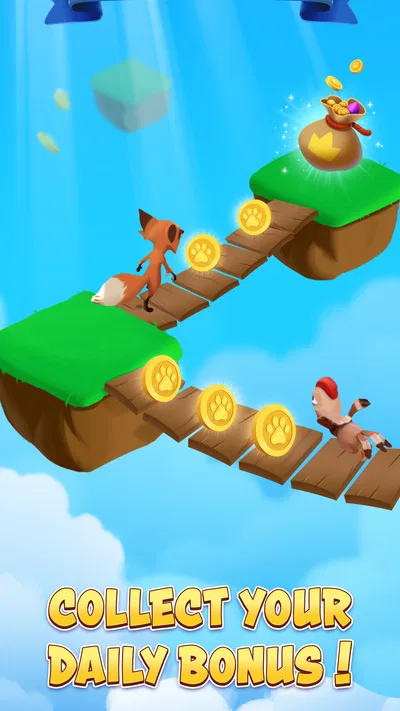
One reason a casual game can work in everyday life is that it does not need to occupy the whole evening. Animals & Coins is easy to revisit because its central action is straightforward: return, take another turn at the island-focused loop, and collect more progress. That reset between visits helps it fit around other activities. You do not need to reserve a long block of time just to understand what you are doing when you open it again.
For example, I can imagine opening it during a lunch break, completing a short burst of play, and closing it before heading back to work. The next time I have a few minutes, the same basic goal is immediately clear. That is a stronger everyday use case than playing while distracted by something that needs close attention; the game is casual, but the reward cycle still works best when I actually notice the result of an action.
The flip side is that a repeatable reset can expose repetition. If you return expecting a substantially different kind of activity each time, the familiar loop may feel thin. I would skip it if my priority were a sprawling adventure with exploration that changes from one session to the next, or a strategic game where careful planning matters more than collecting. A more story-led or puzzle-focused option would be a better fit for those moods.
Where it sits among casual adventures
Compared with the usual casual adventure game, this one keeps its focus unusually easy to describe: island raids and coin collection. Some alternatives lean harder on elaborate worlds, narrative chapters, or puzzles that ask you to stop and think. Animals & Coins is better suited to players who want an immediate action with a clear payoff. That focus gives it a low barrier to entry, but it also means the game is not the strongest choice when variety or a richly developed story is the deciding factor.
The audience response suggests that many players enjoy this particular format: it has a 4.9 average from around 1.1 million ratings, with 37,000 reviews. It has also passed 10 million installs. I see those figures as a sign that the simple loop has broad appeal, not as proof that it will suit every player. A popular casual game can still feel too repetitive for someone who prefers slower, more intricate adventures.
It is free to play, and its current version is 17.4.3. The game was released on May 13, 2021, and supports a minimum OS version of 7.1. Those details make it easier to judge basic compatibility and try the game without paying upfront. I would still check the purchase prompt carefully if sharing a device with a child, because the Everyone rating describes the content age level, not a promise that in-app spending is unavailable.
Who should try it—and who should move on
I would recommend it to a friend who likes quick, colorful progress and enjoys having a simple reason to open a game again later. It is particularly well matched to people who want an easygoing mobile diversion rather than a skill test. If you like the satisfaction of taking an action, seeing a response, and collecting a reward, the loop is easy to grasp and convenient to fit into the day.
I would be more cautious recommending it to someone who dislikes recurring prompts to spend, finds repeated reward cycles tiring, or wants a game where each session demands fresh decisions. Even without making a purchase, the existence of optional items can affect how a player thinks about pace and progress. The best approach is to try the free experience with a clear personal limit: play because the loop is fun, not because you feel pressured to buy your way past a pause.
It is also worth matching the game to the moment. For a short wait or a relaxed break, its straightforward structure is an advantage. For a commute where attention must stay on surroundings, or an evening when I want to become absorbed in a detailed story, I would choose something else. Casual does not mean universally suitable; it means the game is designed to be approachable, and the player still gets to decide when that approach fits.
My verdict on the repeat-play loop
What keeps Animals & Coins moving is not a complicated mystery. You take an island-focused action, receive feedback, collect coins, and come back because the next small step is easy to understand. That makes the game effective as a pocket-sized adventure, especially for players who enjoy steady progress in brief sessions. Its clear focus is also its limitation: once the repeated pattern stops feeling rewarding, there is less depth to fall back on.
Overall, I would try it if I wanted a free, accessible game with a cheerful theme and a quick reward rhythm. I would not choose it as my main adventure game if I were craving exploration, demanding strategy, or a strong narrative. Go in expecting a simple coin-collecting loop, keep optional purchases in perspective, and it is easier to tell whether the next raid is a welcome little break—or simply more of the same.